
Trees · Kayl · southern Luxembourg
Tree felling
When there is no other way left
We always start by looking at whether the tree can be kept. When it cannot (because it is dead, hollow, unstable or genuinely threatening something), we fell it cleanly and safely.
We work from southern Luxembourg up to Mersch.
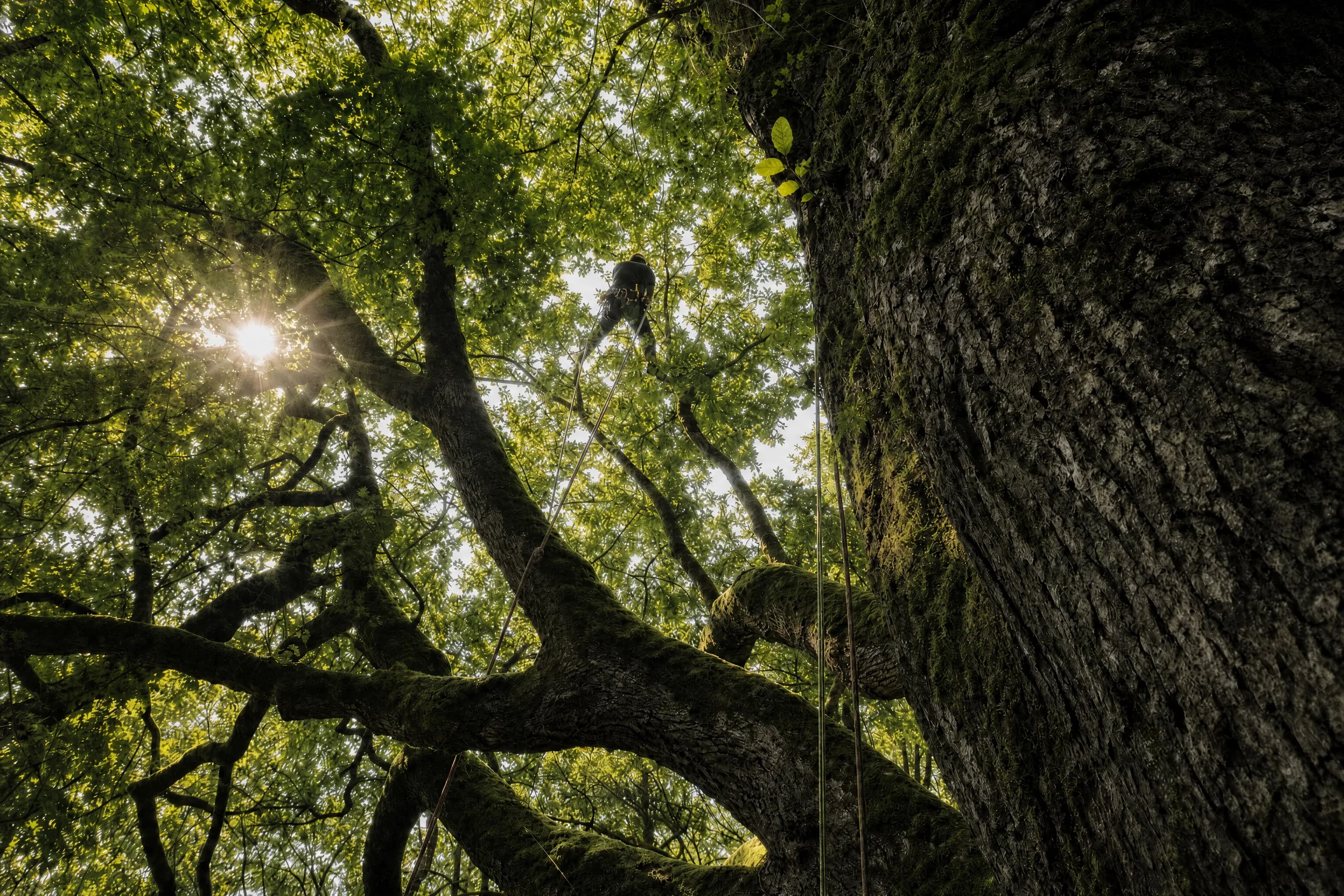
A tree that worries you is not necessarily a tree to fell. A hollow trunk can be perfectly stable, a fungus on a stump says nothing about the framework, and a dead branch can be removed without touching the rest. Conversely, a tree that looks healthy may have a rooting defect invisible from the ground. We climb up and check before drawing conclusions.
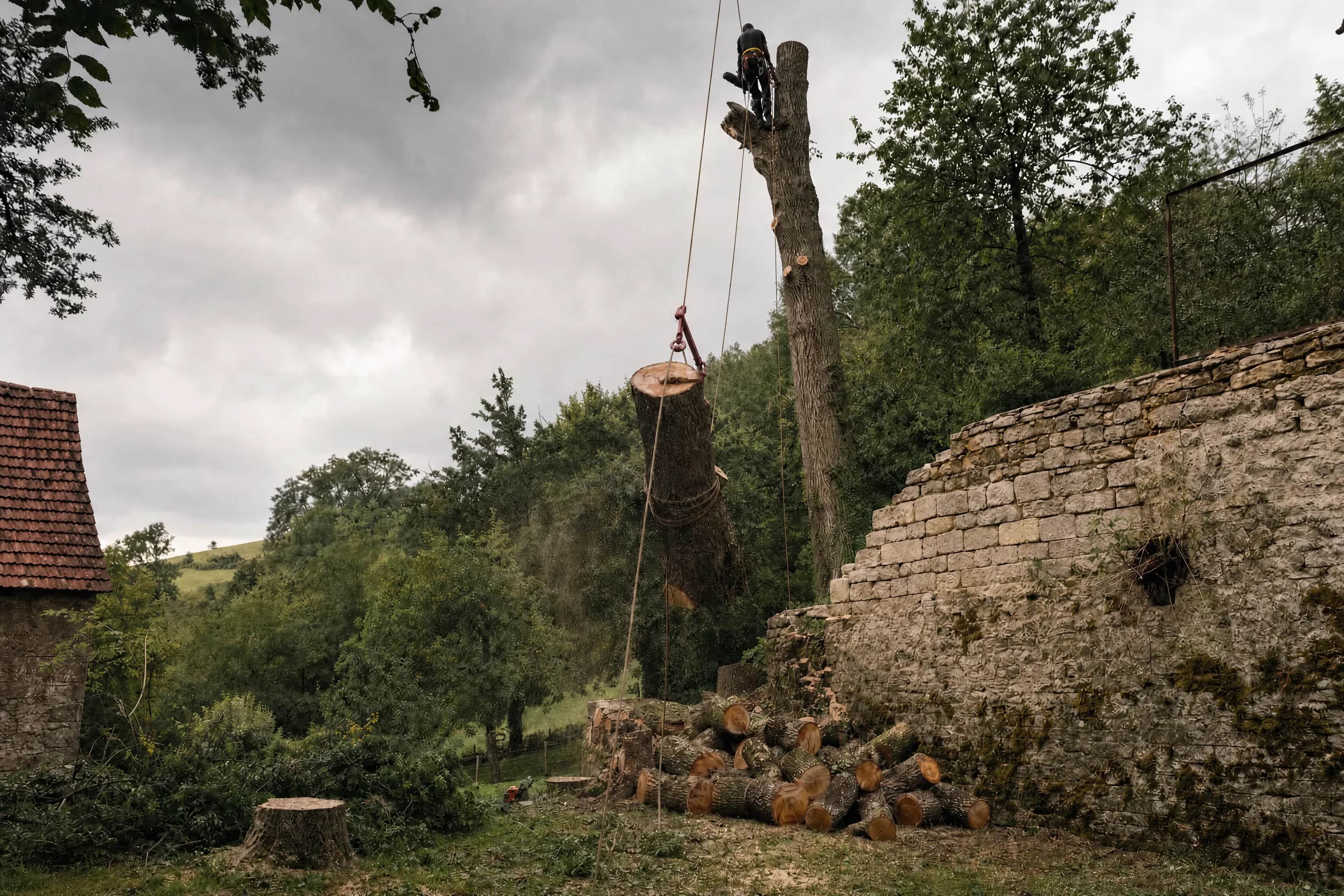
Once felling is decided, the method depends on the room available. In open ground, straight felling is enough. In a built-up area we dismantle from the top, section by section, held on ropes or by crane depending on the weight. The timber is cut on site, the branches chipped, and we leave the ground clean.
We also work in emergencies after a storm, on uprooted trees or hanging branches. In that case, call rather than write: we will pick up.
Every section held and guided on the way down.
What this covers
Dangerous tree
A tree that has become unstable, leaning, split or threatening a building, a road or a power line.
Felling with rigging
Every section held and guided on the way down, when a free fall is out of the question.
Dismantling in confined spaces
Enclosed yard, shared boundary, a roof underneath: taken apart from the top, piece by piece.
Dead or dying tree
Bark beetles, dieback, lightning. Where we can, we leave a standing stem as a habitat for wildlife.
How it works
The assessment
We climb up and check before drawing conclusions. A hollow trunk can stay stable, a healthy looking tree can hide a rooting defect. The decision rests on facts.
The permission
Some councils protect their trees. We tell you whether your case is affected and we help you put the file together. It is something we do regularly.
Making the site safe
Area marked out, paths closed off, vehicles moved. On a roadside we notify the council and put up the signage.
The dismantling
In open ground, straight felling. In a built-up area, dismantling from the top section by section, each piece held on a winch or by crane.
The ground handed back clean
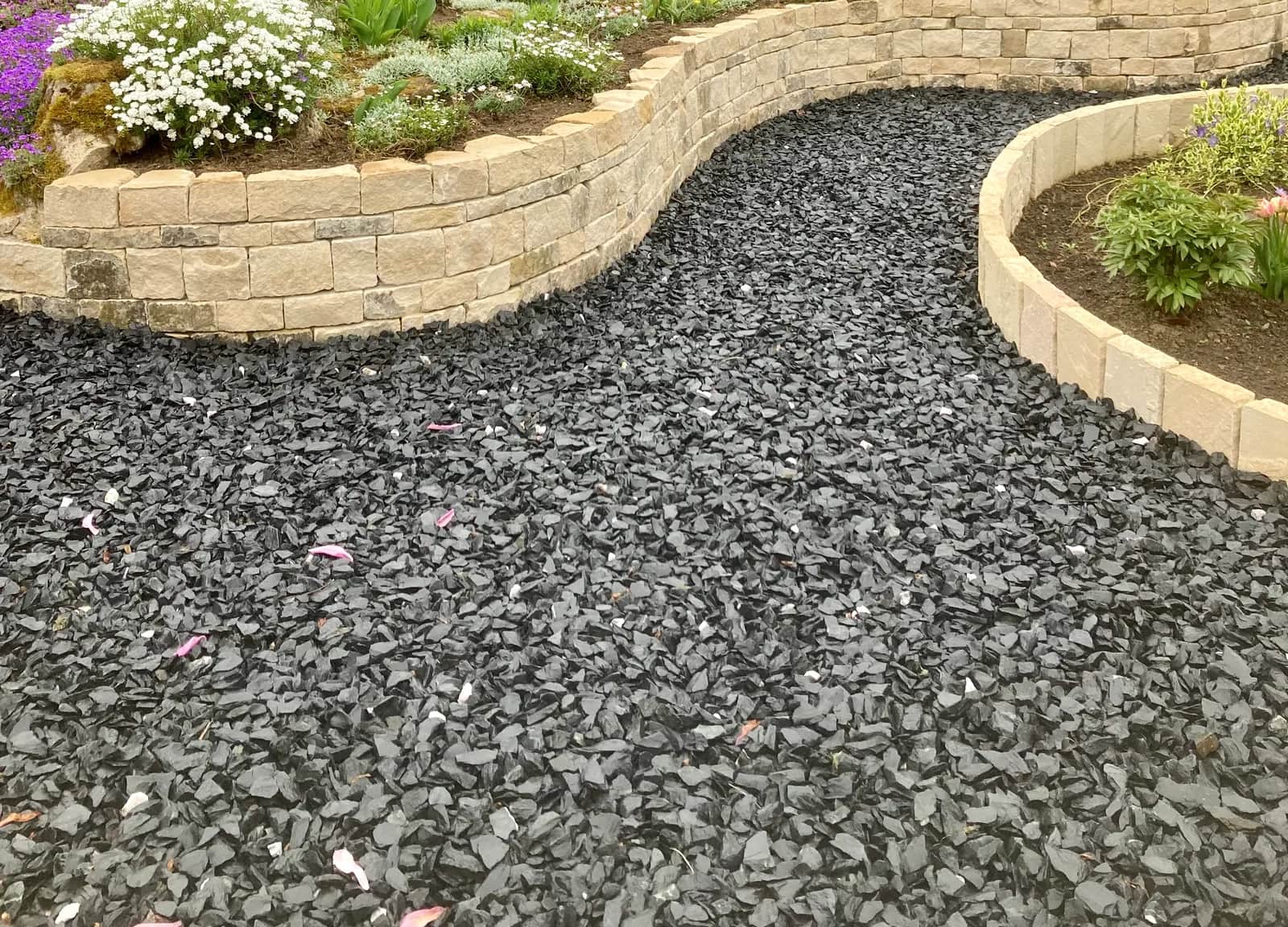
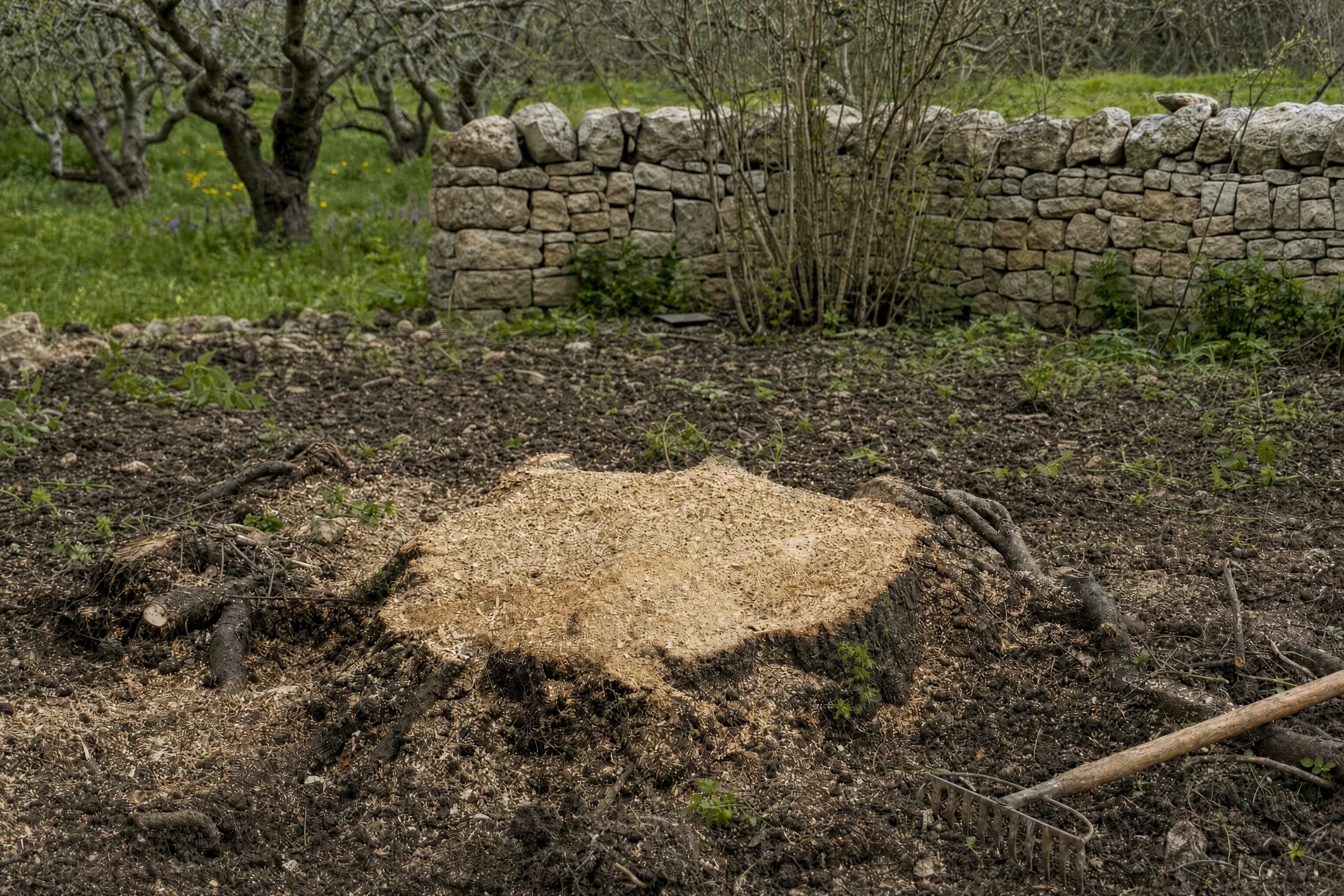
Timber cut, branches chipped, ground cleaned. That leaves the stump, which we grind straight afterwards if you wish.
The right season
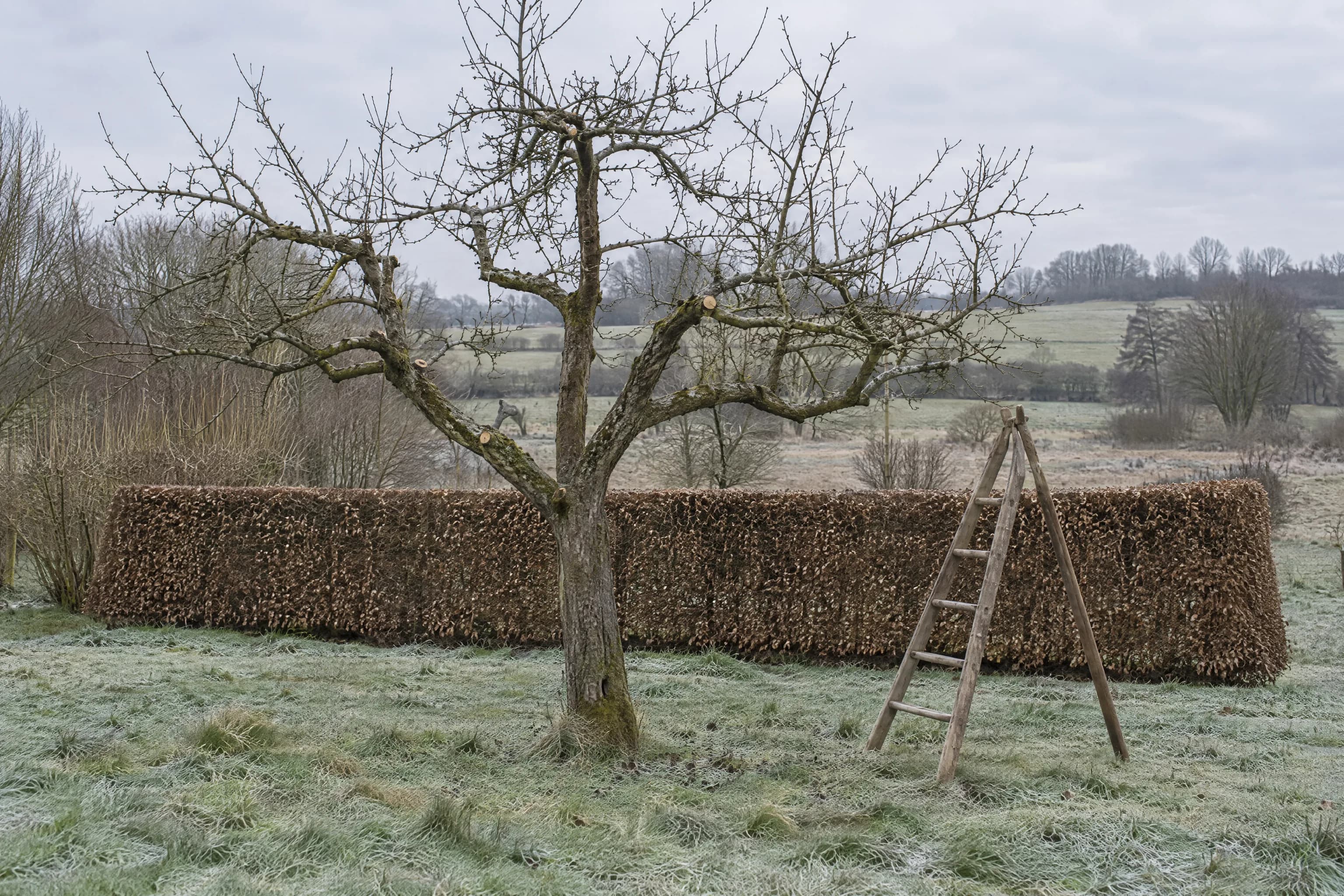
Felling can be done all year round, but autumn and winter remain the simplest: the tree has no leaves, the garden is dormant, and wildlife is not nesting.
Winter
Recommended period
Spring
Possible depending on the case
Summer
Possible depending on the case
Autumn
Recommended period
Frequently asked questions
Often asked for together with
Worried about a tree? Unsure whether it is healthy?
We come and look on site, and the quote is free. We answer messages within two working days; if a tree is a danger, please call instead, it is quicker.
Local councils, property managers, building syndics: yearly maintenance contracts, a written schedule, and the VCA certification some contracts call for.