
Trees · Kayl · southern Luxembourg
Hedge & fruit tree pruning and care
A hedge is built, a fruit tree is guided
Hornbeam, beech, yew, laurel or an informal mixed hedge on one side. Apple, pear, cherry and plum on the other. These are two different trades, with two calendars that never meet. We do both, and we tell you when.
We work from southern Luxembourg up to Mersch.
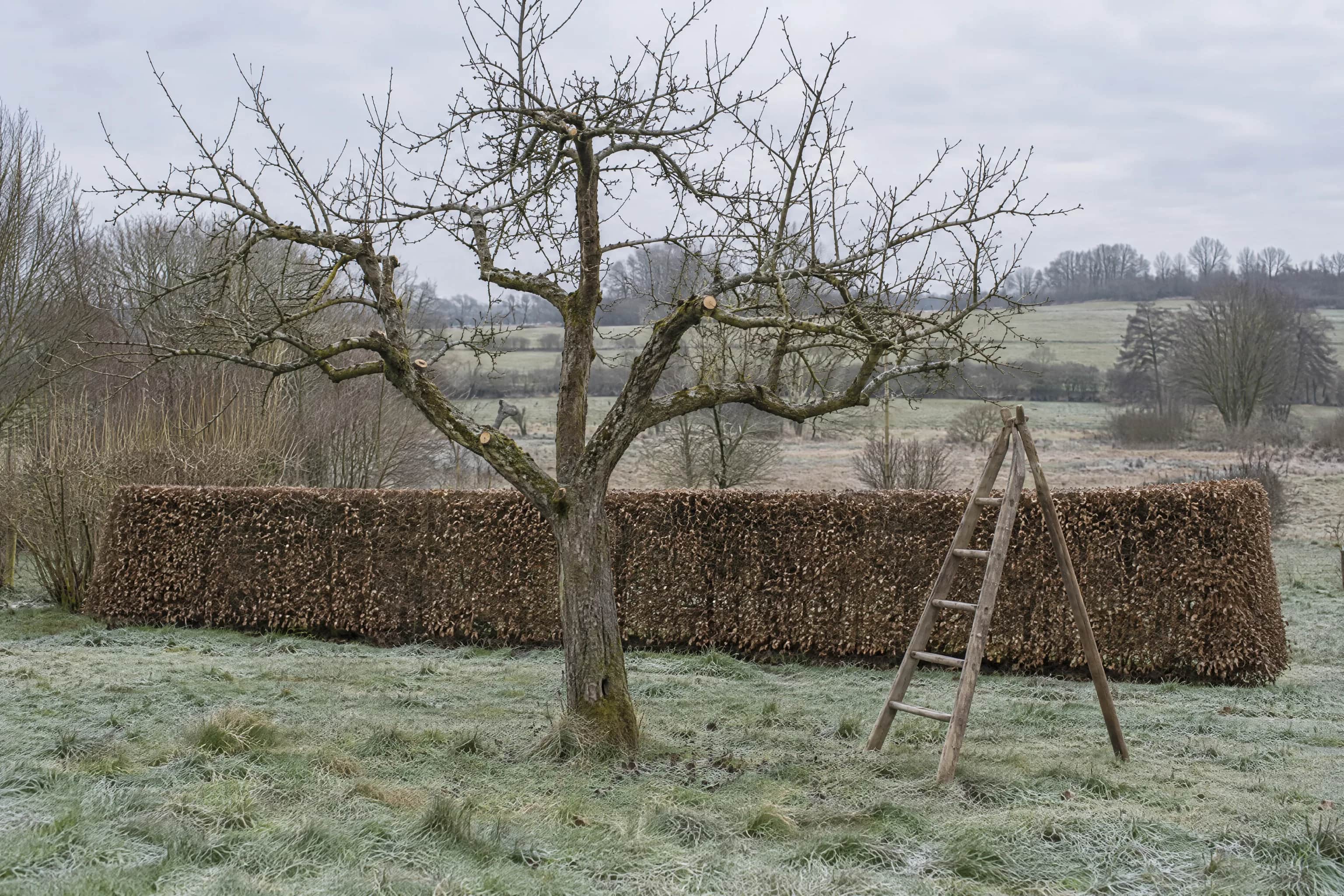
A hedge is cut slightly trapezoidal, wider at the bottom than at the top: that is what keeps light on the base and density over the whole height. The kind of detail nobody notices at the time, and which makes all the difference after five years.
A fruit tree asks for the opposite. You open the centre instead of closing it, so that air and light reach the heart of the tree and the fruit forms throughout, not just around the edge. A fruit tree cut back in a hurry comes back in water shoots: vertical, vigorous growth that shoots straight up and bears nothing. You then harvest less than before, and it takes three winters to recover.
The timing does the rest. Pome fruit, apple and pear, is pruned in winter outside frost, when the framework can be read without leaves. Stone fruit, cherry, plum and peach, is pruned after harvest: their wood heals badly in cold weather, and a wound left open in winter invites gummosis and canker. Hedges, for their part, wait until nesting is over. Luxembourg law protects them through the warm season, and we do not encroach on it.
What this covers
Formative pruning
On a young hedge as on a young fruit tree, the first cuts decide everything: density at the base, width, framework. We also train wall forms, cordon, espalier and fan, built branch by branch along a wall or a wire.
Hedge maintenance cutting
One or two visits a year, at the right time, to hold the line without exhausting the plant. A fixed yearly visit if you prefer.
Pruning for fruit
Opening the centre, removing deadwood and crossing branches, balancing wood against fruit. This is the pruning that makes next year’s crop, not this year’s.
Cutting back & regeneration
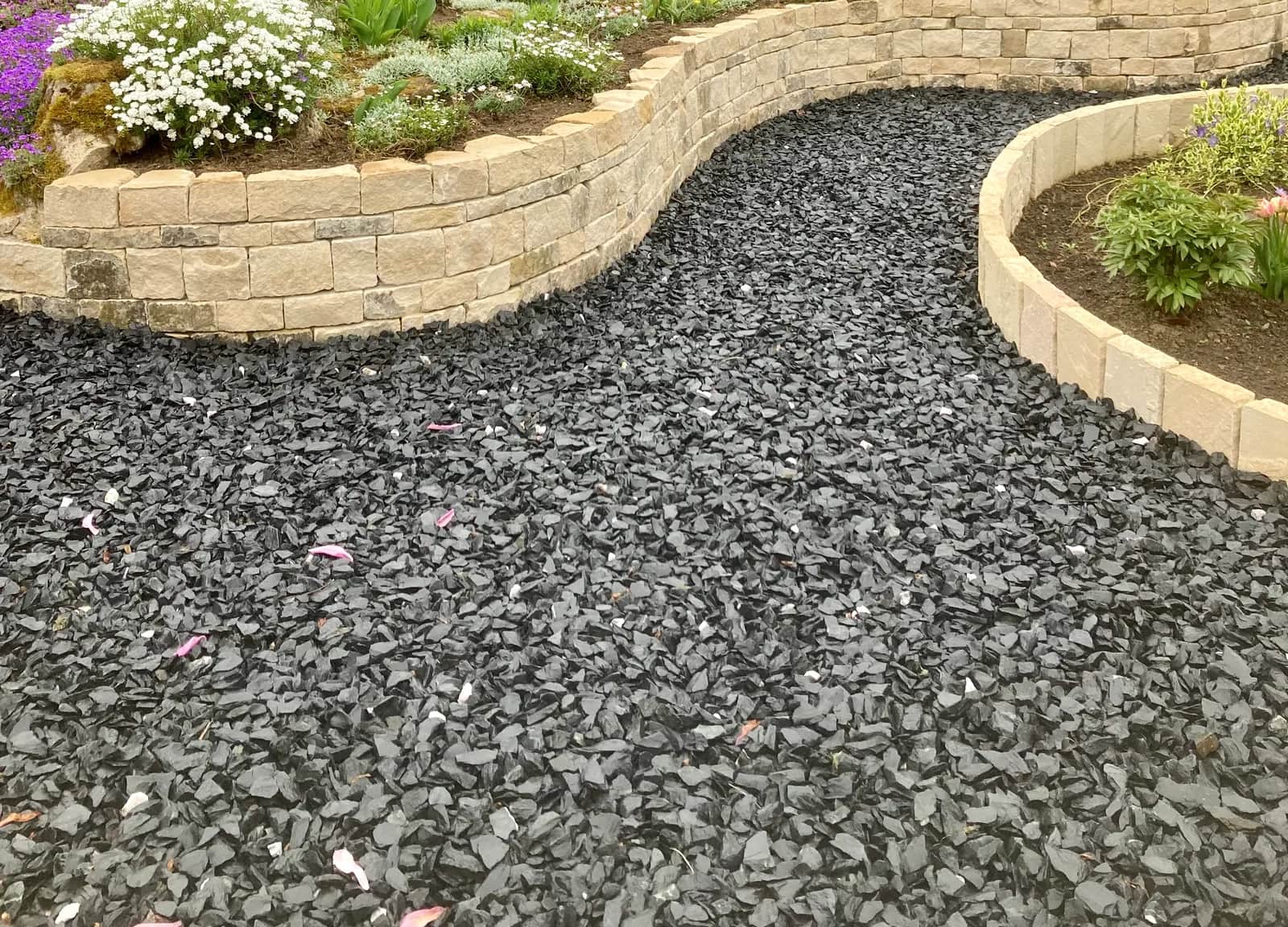
An ageing hedge or an old fruit tree left for fifteen years can often come back, provided the work is spread over two or three seasons. We will tell you honestly whether yours can.
How it works
The assessment
Species, age, length, height, state of the base for a hedge. Species, form, age and last known cut for a fruit tree. Hornbeam, yew and laurel are not cut at the same time or in the same way, and an apple tree left for fifteen years is not taken in hand like a tree that has been followed. That is where we tell you whether a simple maintenance visit will do, or whether recovery has to be spread over several winters.
The quote
Written, free. By the linear metre for hedges, depending on height and the number of faces to be cut. Per tree for fruit trees. It states the number of visits in the year, the period chosen for each tree and what happens to the cuttings. For councils and property managers we draw up a yearly maintenance contract.
The cutting
On the hedge we cut slightly trapezoidal, to a line where the geometry calls for it, on a pole or from a platform ladder above two and a half metres. On the fruit tree, clean cuts with secateurs and pruning saw, in the right place, leaving no snag. We do not seal the wounds: a sealant traps moisture and stops the tree compartmentalising on its own, which it does very well. Tools disinfected between trees.
Clearing and cleaning up
Sheets laid at the base before we start, cuttings chipped on site if you want the mulch, taken away otherwise. Fruit wood is well worth keeping for the smoker. We finish with the blower: clippings get everywhere, including next door.
The right season
Two calendars within one service. In winter, outside frost: hedges are dormant, the line reads clearly, and it is the moment for apples and pears. In summer, after harvest: cherries, plums and peaches, whose wood does not heal in the cold. In autumn, hedges start again, nesting is over. In spring we prune neither: birds are nesting, the sap is rising, and a cut made then is paid for the following year.
Winter
Recommended period
Spring
Possible depending on the case
Summer
Recommended period
Autumn
Recommended period
Frequently asked questions
Often asked for together with
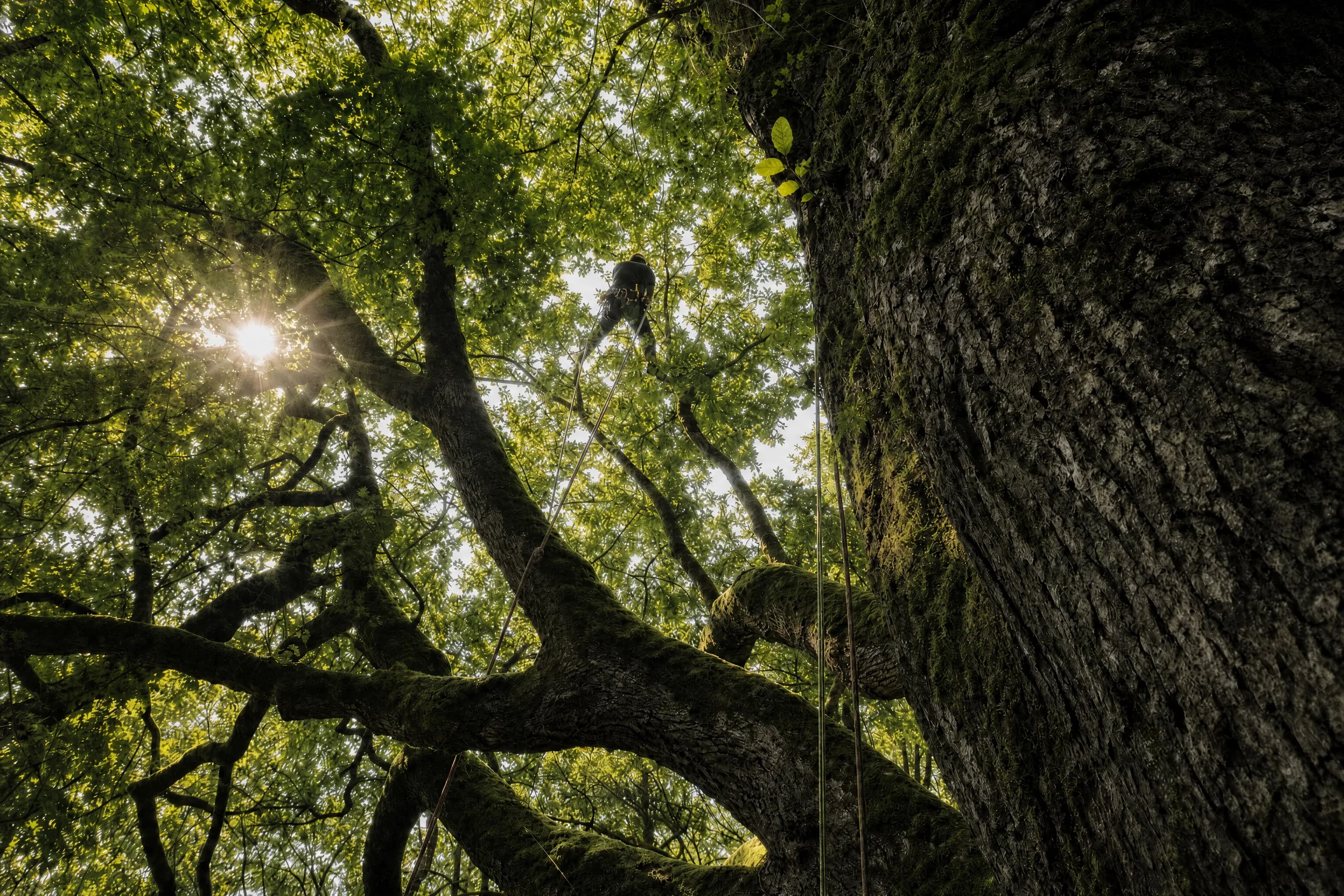
Worried about a tree? Unsure whether it is healthy?
We come and look on site, and the quote is free. We answer messages within two working days; if a tree is a danger, please call instead, it is quicker.